Last updated March 2026
Invasive species control is the targeted removal of non-native plants that threaten native ecosystems, property value, and land productivity. In central Wisconsin, common invasives include buckthorn, autumn olive, honeysuckle, and garlic mustard. Forestry mulching eliminates invasive growth mechanically — no chemicals required — and the mulch layer suppresses regrowth.
By the Numbers
$21 billion
Annual U.S. landowner cost
USDA
900+
Seeds per buckthorn plant per year
100+
WI regulated invasive species
WI DNR
Zero
Chemical herbicides needed
Mechanical mulching method
What We Do
About Invasive Species Control
Buckthorn is the big one in our area. It spreads fast, shades out everything underneath it, and changes the soil chemistry so native plants struggle to come back even after it's removed. We see it on properties all across Marquette, Adams, Waushara, and Columbia counties — woodlots, fence rows, field edges, lakeshores. Honeysuckle, autumn olive, and multiflora rose are right behind it. All four are listed under Wisconsin DNR NR 40 as regulated invasive species.
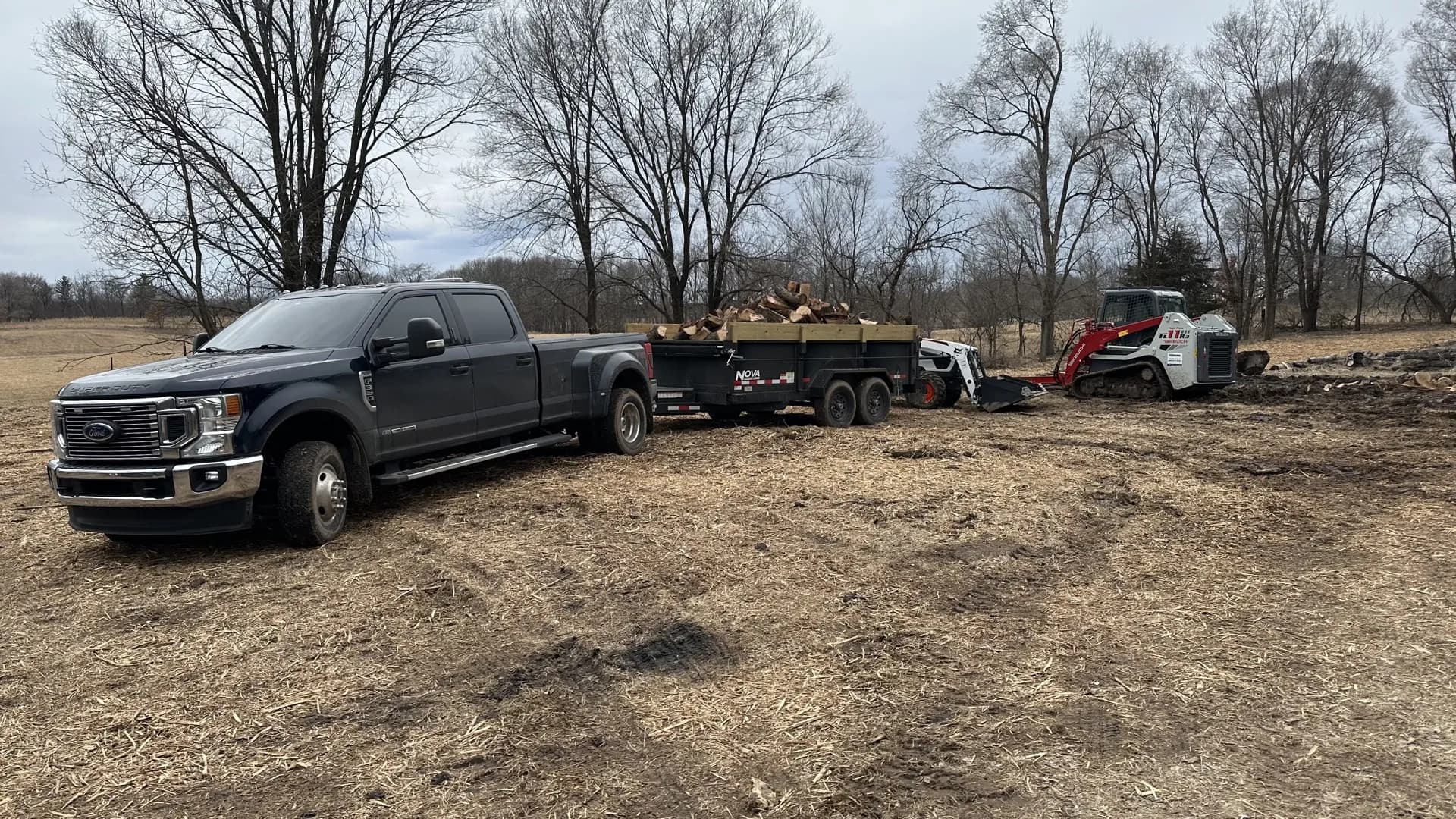
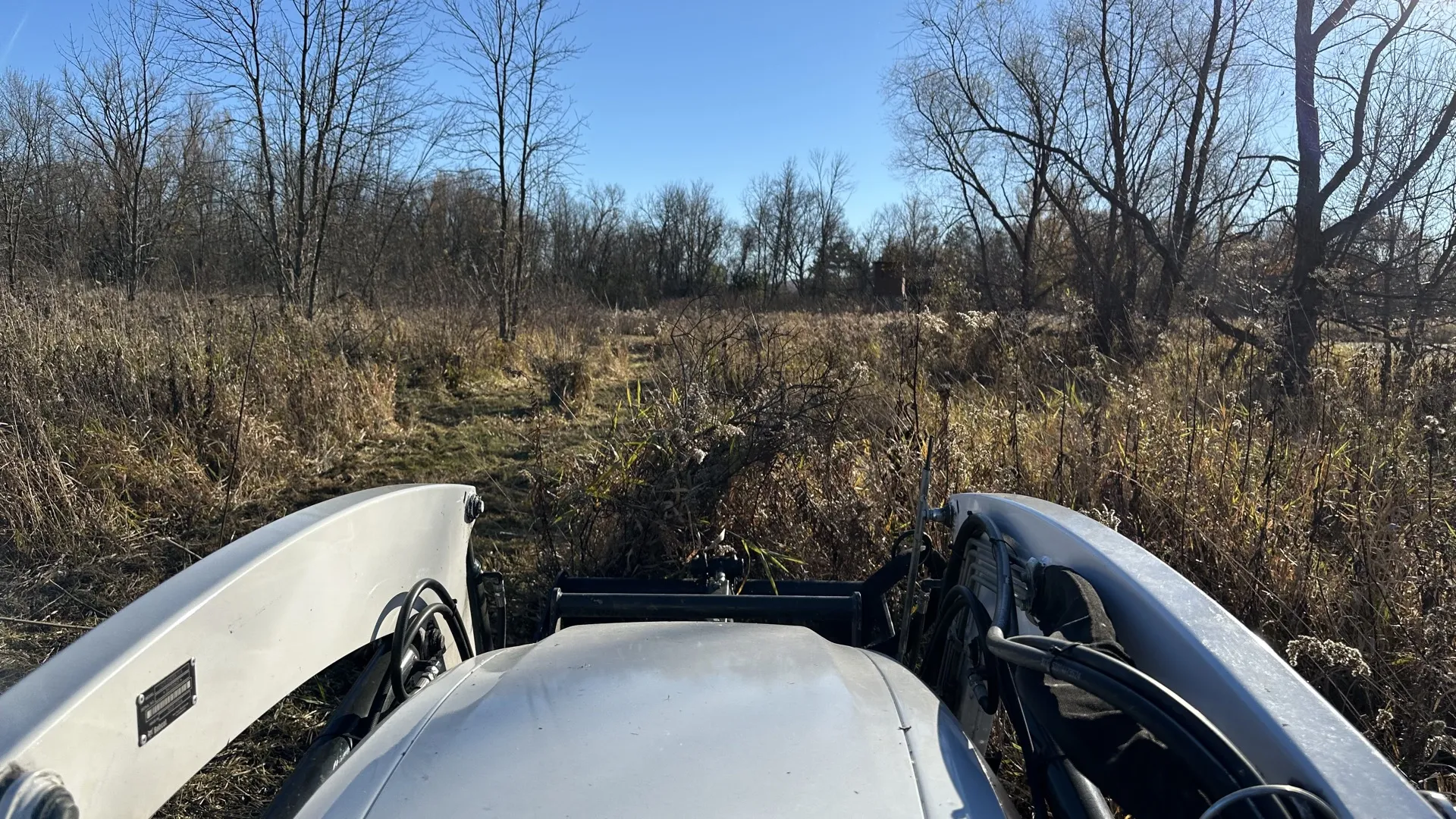
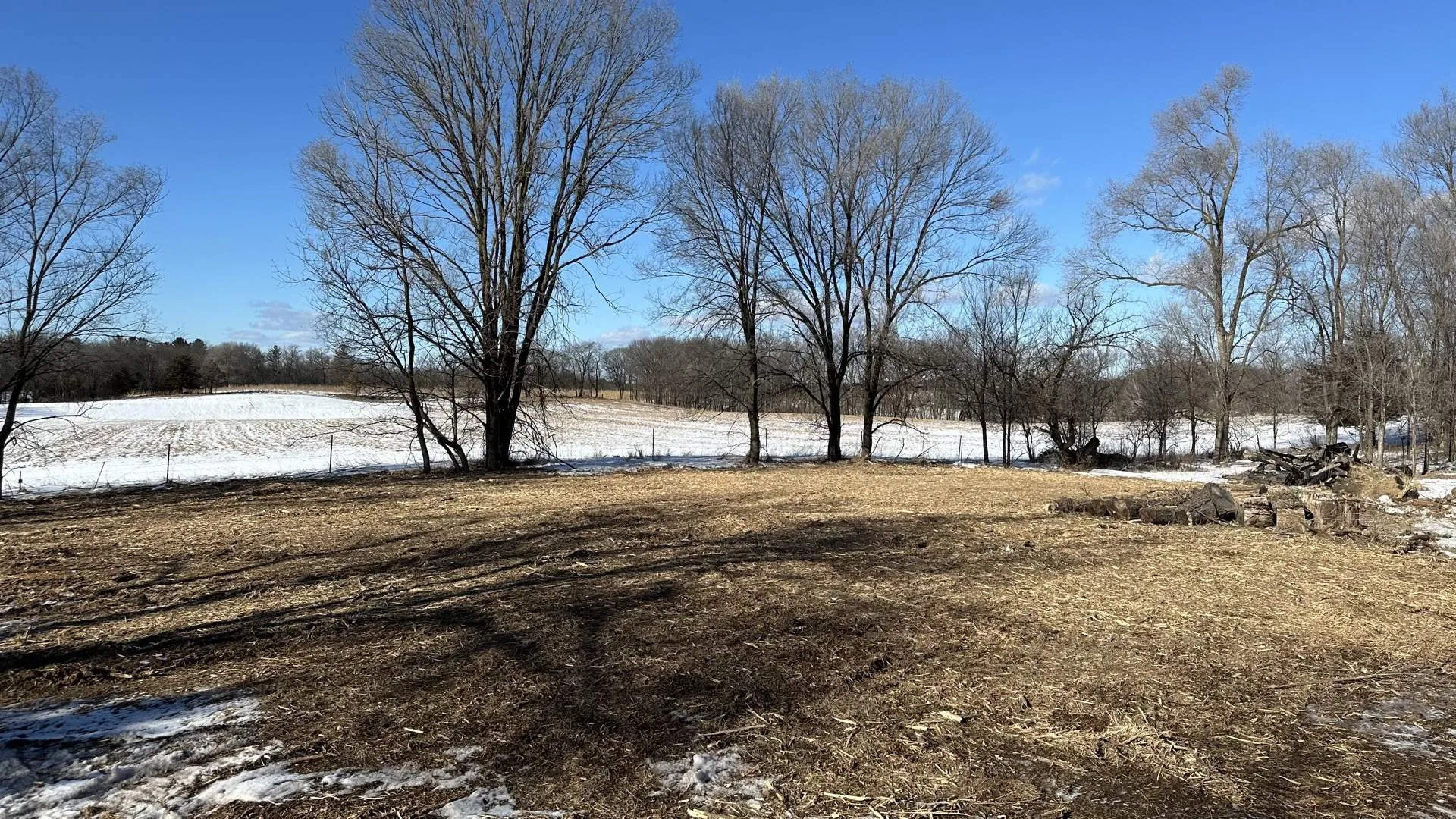
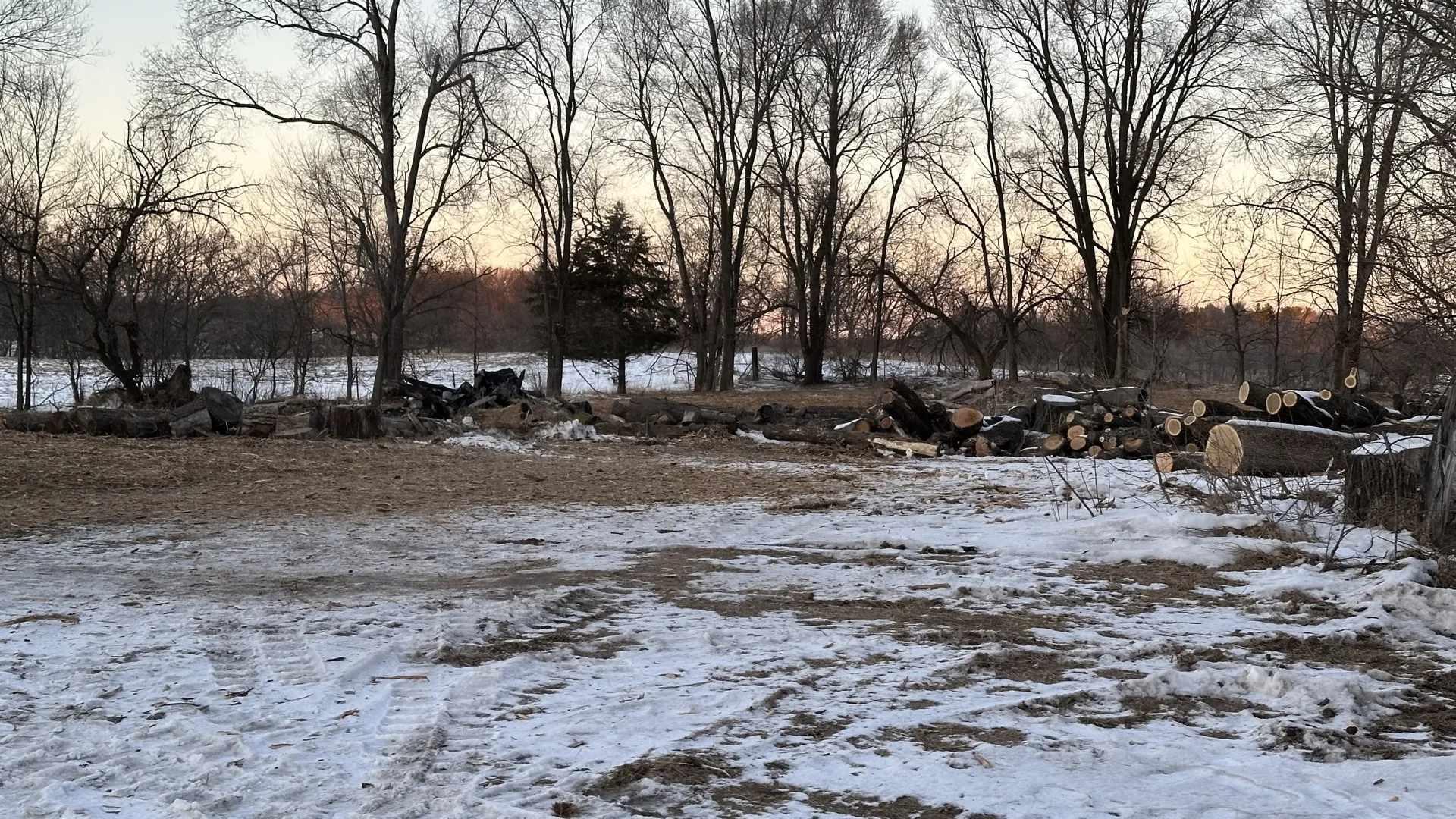
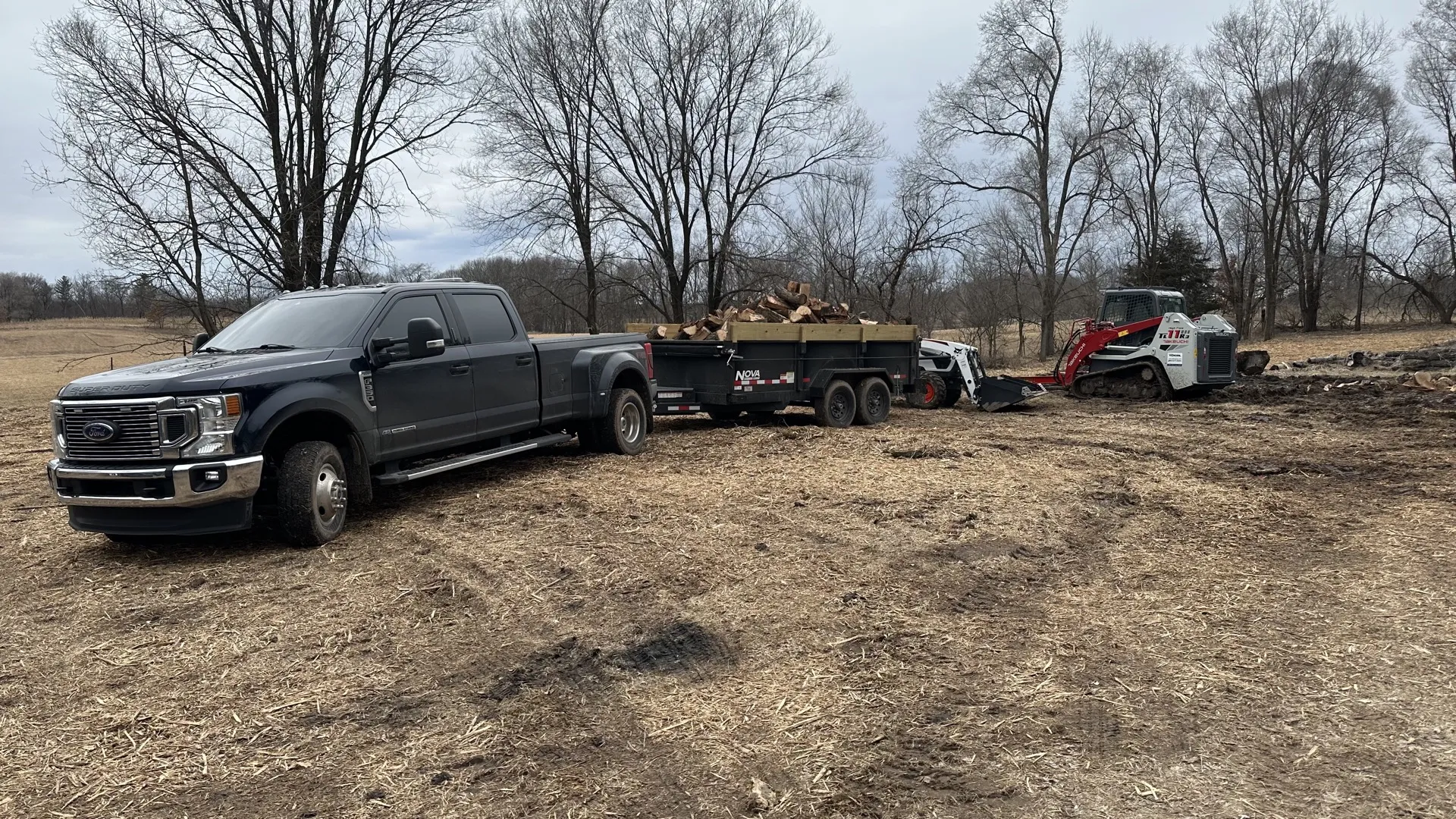
We remove invasives mechanically with a mulcher. The machine grinds the entire above-ground plant — trunk, branches, and all — into chips at ground level. The chip layer covers the disturbed soil and helps suppress re-sprouting. For properties with heavy infestations, we typically recommend a follow-up pass in year two to catch anything that comes back from the root system or seed bank.
We mechanically remove buckthorn, honeysuckle, autumn olive, and multiflora rose on properties across 8 counties in central Wisconsin. No herbicides required.
Compare Methods
Why buckthorn is such a problem in Wisconsin
Buckthorn was brought to the Midwest as an ornamental hedge plant. It escaped cultivation decades ago and has been spreading ever since. It is so successful because it leafs out earlier than native species and holds its leaves later, giving it a competitive advantage for sunlight. It also produces enormous quantities of berries that birds spread across the landscape.
The deeper problem is what buckthorn does to the soil. It alters nitrogen cycling and changes the microbial community in ways that make it harder for native plants to grow back even after the buckthorn is gone. That is why the mulch layer matters — it covers the disturbed soil and creates a buffer while native seed stock recovers.
Both common buckthorn and glossy buckthorn are listed as restricted species under Wisconsin DNR NR 40, meaning it is illegal to transport, transfer, or introduce them. Removal is not just good land stewardship — for many properties, it is the responsible thing to do.
Key Benefits
Why Invasive Species Control?
Key benefits that make this service the right choice for central Wisconsin landowners.
Grinds buckthorn, honeysuckle, autumn olive, and multiflora rose to ground level
No chemical herbicides applied — purely mechanical removal
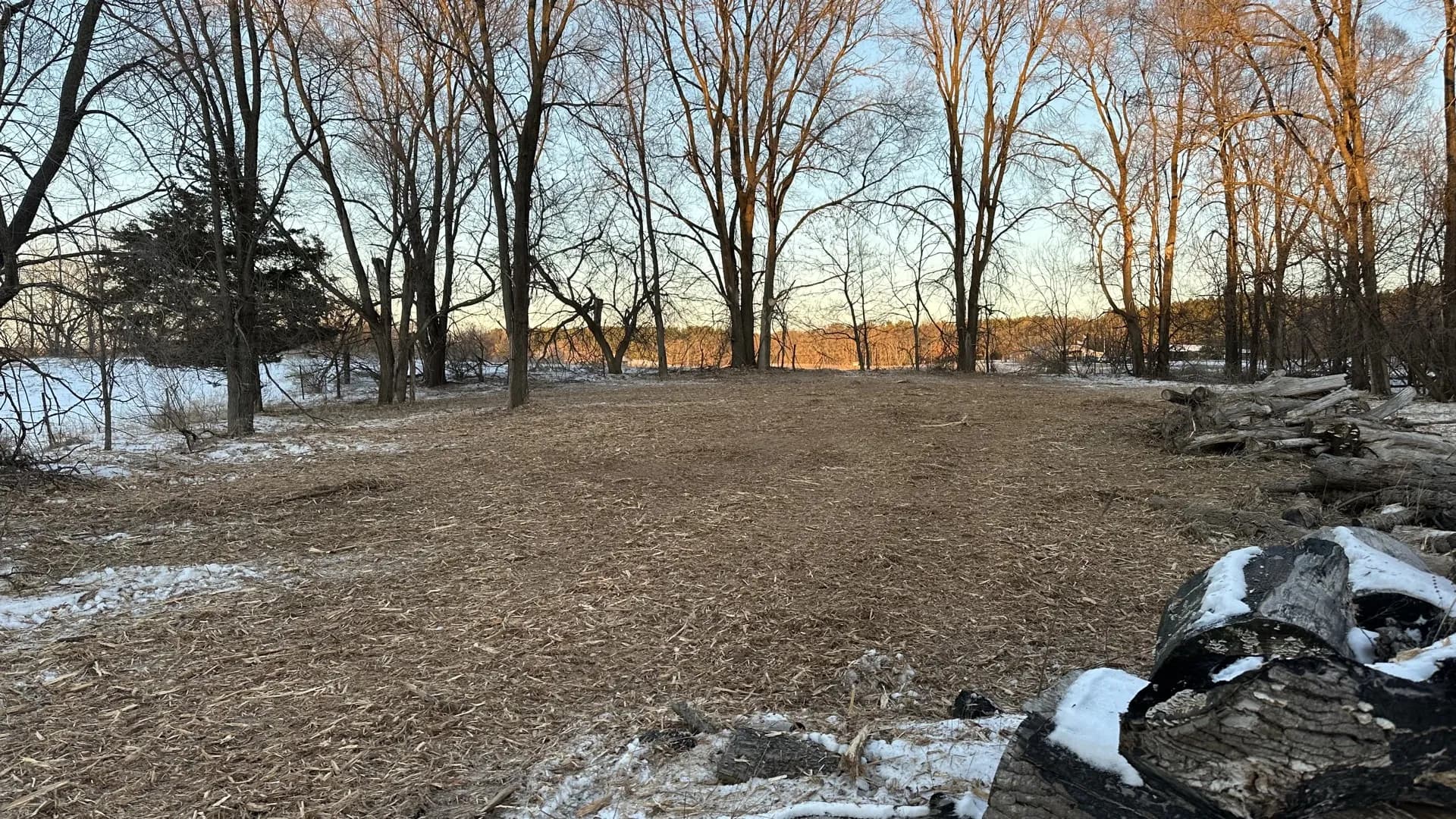
Mulch layer covers disturbed soil and suppresses re-sprouting
Treats large infestations efficiently in a single mobilization
Opens the canopy so native plants can recover and re-establish
Wisconsin DNR cost-share and EQIP programs may offset treatment costs
Common Questions
More Services
Related Services
Explore other land management and clearing services from Kingdom Service, LLC.
Invasive Species Control in Your Area
We also serve Portage, Baraboo, Wautoma, Wisconsin Dells, and communities across central Wisconsin from our base in Oxford, WI.
View All Service Areas →What Our Customers Say
Ready to Reclaim Your Land?
Every project starts with a free, no-pressure estimate. We walk your property, talk through your goals, and give you a clear quote.
Locally owned & operated · Oxford, WI